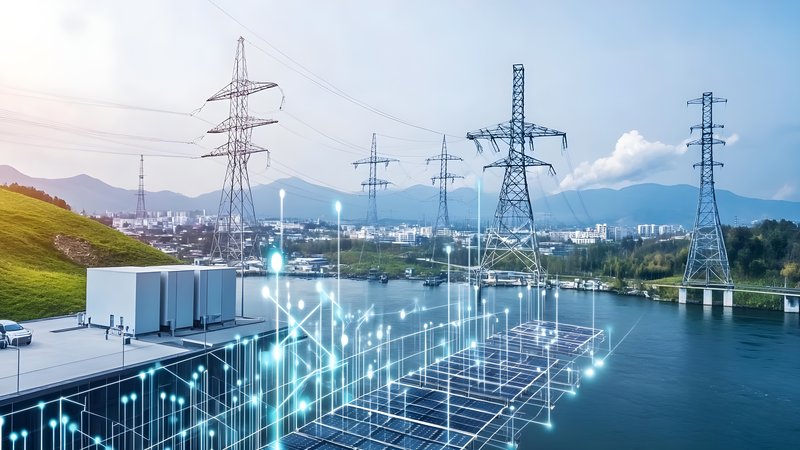
Emerald AI, NVIDIA, and National Grid demonstrated that AI data centers can automatically reduce power consumption during grid stress events, essentially turning compute clusters into grid stabilization assets. Their London trial used 96 NVIDIA Blackwell Ultra GPUs to simulate the infamous "TV pickup" phenomenon from Euro 2020, where millions of Brits simultaneously turned on kettles during halftime, creating a 1-gigawatt demand spike. The AI factory successfully ramped down power usage to absorb the surge without disrupting high-priority workloads.
This isn't just a neat engineering trick — it's potentially transformative for AI infrastructure deployment. Today's biggest bottleneck for new data centers isn't chips or software, it's grid connections that can take years to secure. If AI factories can prove they're grid-friendly assets rather than parasitic loads, they could jump the infrastructure queue and get online faster. The promise is compelling: flexible AI workloads that help stabilize renewable energy grids while avoiding massive infrastructure buildouts.
What's missing from this rosy picture is real-world complexity. The demo used controlled simulations with clean signals from grid operators, but actual grid management involves chaotic, unpredictable demand patterns. More critically, we don't know how much compute performance degrades during these power reductions or which AI workloads can actually tolerate interruption. Training large models requires consistent power for days or weeks — one badly timed grid event could waste millions in compute.
For AI builders, this tech could accelerate data center deployments if it proves reliable at scale. But don't expect your training runs to get cheaper anytime soon. The economics only work if grid operators pay meaningful incentives for flexibility, and those markets are still developing. Smart money watches for real production deployments, not demos." "tags": ["grid", "power", "infrastructure", "data-centers