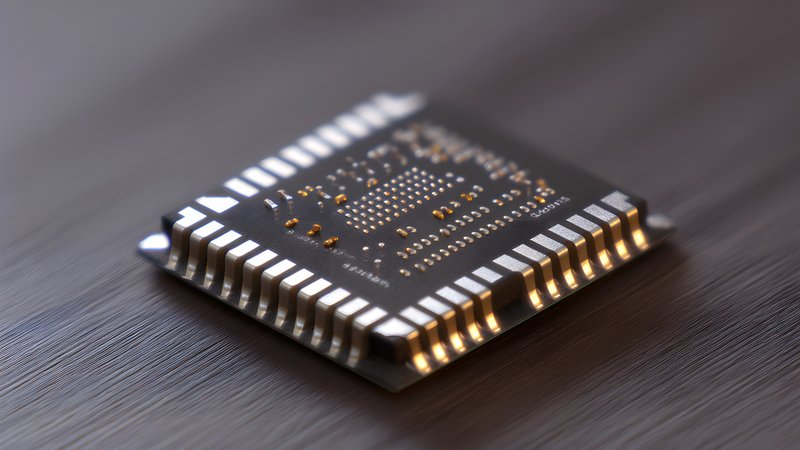
Arm's first internally-designed chip has moved from development partnership with Meta into actual production, marking a fundamental shift for the company that has spent 35 years licensing designs rather than manufacturing silicon. The data center CPU, built through Arm's collaboration with Meta, represents the licensing giant's most aggressive move yet into direct hardware competition with its own customers.
This isn't just about Arm diversifying revenue streams — it's about control over AI infrastructure at the silicon level. Meta's involvement signals how hyperscalers are pushing chip companies beyond traditional licensing models to get exactly the performance characteristics they need for AI workloads. When a company like Meta can't get what it wants from existing ARM licensees like Graviton or Ampere, they're willing to work directly with the architecture owner.
Since our March coverage of this partnership announcement, the lack of additional industry sources suggests either tight information control or limited broader interest from other chip makers. That silence is telling — Arm's traditional customers are likely watching nervously as their licensor becomes their competitor. The chip industry has seen this movie before with Intel's foundry ambitions, and it rarely ends well for existing partnerships.
For AI builders, this could mean more specialized ARM options for inference workloads, but also potential supply chain complications as Arm balances its dual role as licensor and competitor. The real test isn't whether Arm can build chips — it's whether they can do it without destroying the ecosystem that made them essential in the first place.