Black Forest Labs rejected a recent approach from Elon Musk's xAI to license its image generation technology for the second time, sources tell WIRED. The 70-person German startup, valued at $3.25 billion after December funding, deemed xAI "too operationally difficult" to work with due to the company's chaotic environment. This marks a stark shift from 2024 when Black Forest Labs powered Grok's controversial first image generator—a partnership that ended when xAI built its own model.
The rejection signals how selective Black Forest Labs has become after proving its Flux models can compete with OpenAI and Google despite vastly fewer resources. Their latent diffusion approach—sketching rough image blueprints before adding detail—delivers performance that ranks just below the giants while using "orders of magnitude less resources," according to cofounder Andreas Blattmann. Major partnerships with Adobe, Canva, and a $140 million Meta deal have given them leverage to be picky.
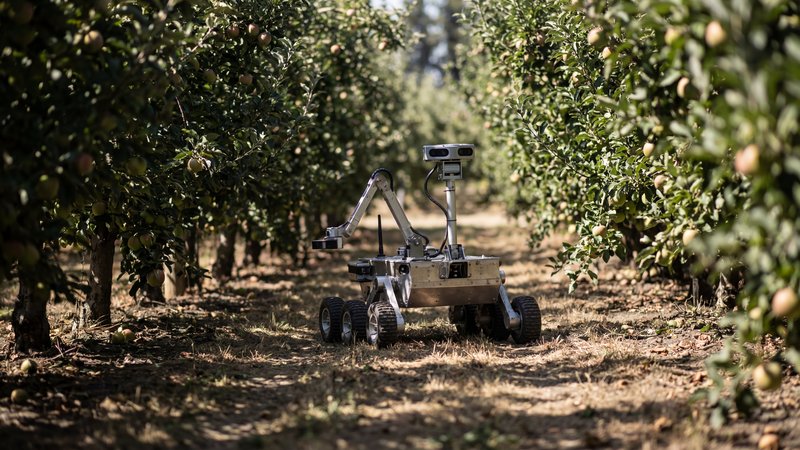
What's more telling is Black Forest Labs' next move: physical AI. Blattmann announced plans to unveil a robot powered by their models later this year, though he won't say who's building the hardware. It's a logical extension—if you can generate images efficiently, why not generate robot actions? The company sees this as their bigger opportunity beyond static image generation.
For developers already using Flux models through Hugging Face, expect the underlying tech to get more sophisticated as Black Forest Labs pushes into embodied AI. But their willingness to walk away from lucrative partnerships suggests they're optimizing for long-term technical advancement over short-term revenue—a rare stance in today's AI landscape.