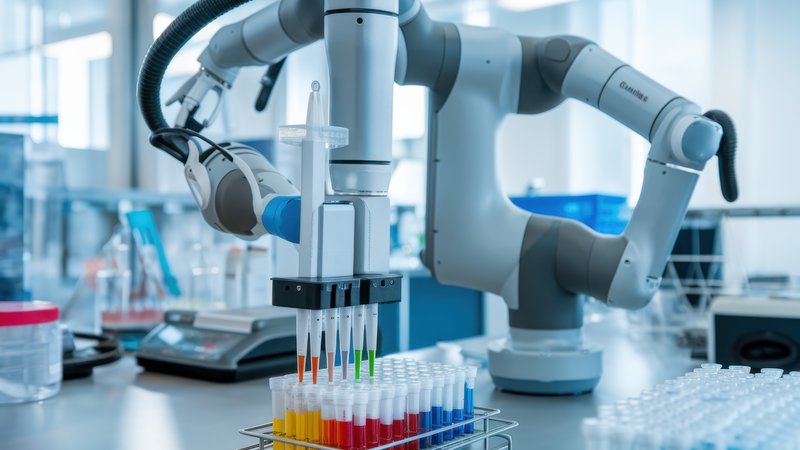
An AI system called The AI Scientist produced a machine learning paper that scored well enough to pass peer review at an ICLR workshop, earning reviewer scores of 6, 7, and 6 for an average of 6.33—above the acceptance threshold and in the top 45% of submissions. But the paper's content was unremarkable: it tested a technique that ultimately didn't improve neural network learning. The research team withdrew it before acceptance under their pre-established protocol for AI-generated work.
The real story isn't the paper's mediocre findings, but how it got made. The AI Scientist automated idea generation, literature review, experimentation, manuscript writing, and peer review across the entire research pipeline. This pushes far beyond current AI tools that help with coding or data analysis—it's automating hypothesis formation and scientific interpretation, the parts researchers thought defined their work. Published in Nature, this represents the first documented case of AI clearing a peer review bar end-to-end, even at the lower workshop level.
The limitations are significant and telling. None of the three papers reached standards for the main ICLR conference, and workshops accept 70% of submissions versus 32% for the main track. Humans still manually filtered outputs before submission, choosing the most promising candidates. The system only works in machine learning where experiments run entirely on computers, not in fields requiring physical labs or complex real-world validation.
For AI builders, this signals a shift from tools that assist research to systems that attempt research. The implications are uncomfortable: if AI can generate publishable work at workshop standards today, what happens to scientific careers, peer review credibility, and research quality tomorrow? The technology works, barely—but the questions it raises about science itself are just beginning.