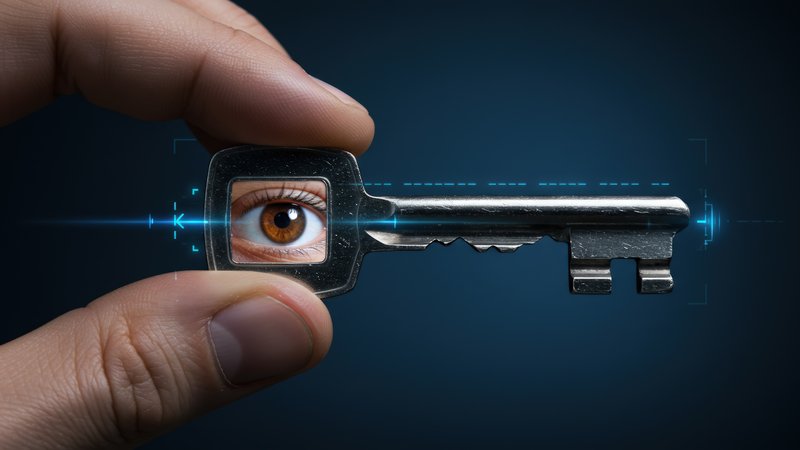
Financial institutions are quietly deploying behavioral biometrics that analyze unconscious neural patterns to verify identity, moving beyond traditional passwords and even bypassing Face ID vulnerabilities. UC Berkeley researchers demonstrated that after capturing just 11 scroll strokes, AI models could identify specific users from a 41-person group with 100% accuracy. The technology tracks 30 distinct behavioral markers including stroke velocity, trajectory curvature, finger contact area, and "ballistic" vs. complete-stop scrolling patterns.
This shift reflects a deeper crisis in digital security as generative AI enables cybercriminals to scale attacks that defeat conventional authentication. Remote Access Trojans can now bypass multi-factor authentication, forcing banks—who are legally liable for cyber-fraud losses—to adopt behavioral analysis as standard practice. The irony is profound: what makes us human isn't our conscious decisions but our unconscious neural error corrections during mundane gestures.
The computational motor control theory behind this tech reveals something unsettling about privacy. Every swipe, tap, and scroll creates a unique neural fingerprint more distinctive than actual fingerprints. Banks can detect fraud from device orientation (upside-down phones during transactions), impossible typing speeds, or unnatural cursor movements. But this same granular behavioral tracking means institutions now monitor the subtle biomechanics of how you hold your phone.
For developers building authentication systems, this represents both opportunity and responsibility. Behavioral biometrics offer genuine security improvements, but they also create unprecedented surveillance capabilities. The question isn't whether this technology works—Berkeley proved it does. The question is whether we're comfortable with AI systems that know us better than we know ourselves.