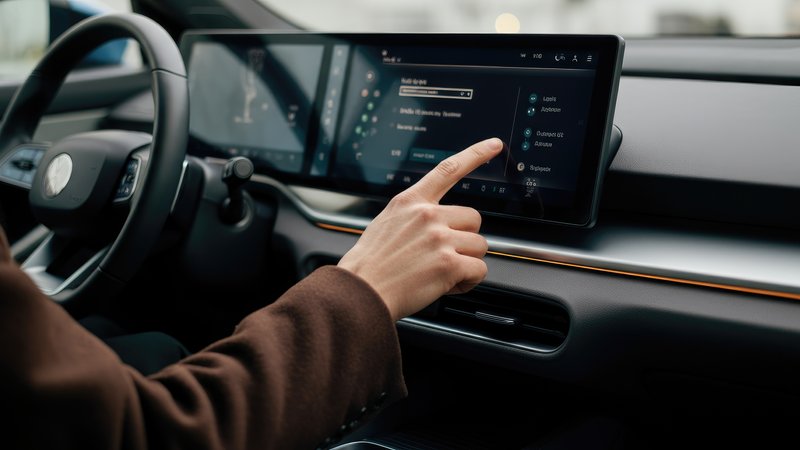
ChatGPT is now available through Apple's CarPlay dashboard following the iOS 26.4 update, which introduced support for "voice-based conversational apps" in vehicles. The integration requires the latest ChatGPT app version and strips away the familiar chat interface entirely — users can only interact through voice, with basic on-screen controls limited to mute and end conversation buttons. You can view recent conversation history, but there's no wake word activation; you must manually tap to open the app.
This rollout exposes Apple's tight grip on in-car AI experiences. The company's developer guidelines explicitly prohibit text or imagery responses, forcing even sophisticated AI assistants into a constrained voice-only mode. It's a deliberate design choice that prioritizes safety over functionality, but it also maintains Apple's control over how AI integrates with their ecosystem. While other platforms race toward multimodal AI experiences, Apple is enforcing a step backward for the sake of automotive integration.
The implementation feels like a compromise nobody wanted. ChatGPT users lose the conversational context and rich responses that make the tool valuable, while Apple maintains artificial restrictions that don't necessarily improve safety — Siri already handles complex voice interactions while driving. This suggests Apple views third-party AI as a threat to be managed rather than a capability to embrace.
For developers building AI voice applications, this sets a concerning precedent. Apple's willingness to kneecap AI functionality for platform control means any CarPlay AI integration will be hobbled by design. If you're building conversational AI tools, prepare for Apple's restrictive guidelines to limit what's possible, even when the underlying technology could safely deliver more.