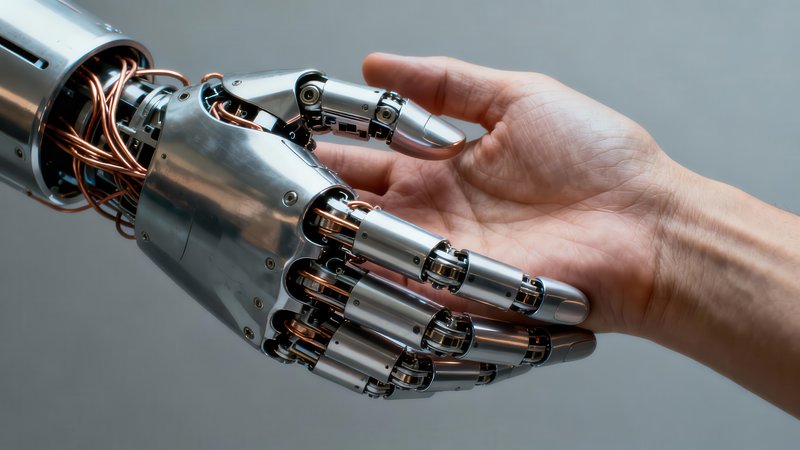
Generalist AI Inc. released GEN-1, their second robotics foundation model, just five months after launching GEN-0. The company claims GEN-1 delivers "highly capable" robot learning for physical tasks, though they've provided zero technical details about what actually improved or how it performs against benchmarks.
Five months between major model releases in robotics is either genuinely impressive or marketing theater. While language models can iterate quickly on compute and data, robotics models need real-world validation — you can't just throw more GPUs at a robot that needs to manipulate objects without breaking them. Tesla's been working on their robot AI for years. Boston Dynamics has decades of experience. Either Generalist found a breakthrough approach to embodied AI, or they're rebranding incremental updates as foundation model releases.
The lack of additional coverage from other AI outlets is telling. No technical papers, no benchmark comparisons, no demonstrations of actual capabilities. When OpenAI releases a model, the entire AI community dissects it within hours. When Anthropic ships Claude updates, we get detailed technical blogs. Generalist's silence on specifics while claiming "highly capable" performance raises red flags.
For developers building robotics applications, wait for actual technical documentation before getting excited. Foundation models for robotics need to prove themselves on manipulation tasks, navigation, and real-world robustness — not just marketing claims. If GEN-1 is genuinely capable, we'll see third-party validation and integration opportunities soon enough." "tags": ["foundation-models", "robotics", "embodied-ai", "startups