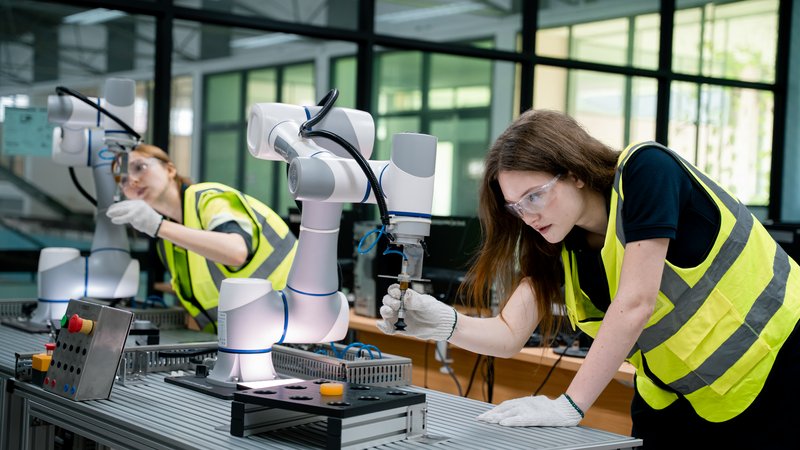
Robotic ML company Generalist announced GEN-1, claiming their physical AI system achieves 99% success rates on delicate tasks like folding boxes, packing phones, and servicing robot vacuums. The model supposedly reaches production-level reliability after just one hour of adaptation to specific robotic hardware, running three times faster than their previous GEN-0 model. Generalist trained GEN-1 using "data hands" — wearable sensors that captured over 500,000 hours of human manipulation data.
This matters because robotics has been the graveyard of AI promises for decades. Unlike language models that can train on internet text, physical AI needs real-world interaction data that's expensive and slow to collect. If Generalist actually solved the data problem with their sensor approach and hit genuine 99% reliability, that's a breakthrough. But the key word is "if" — these are extraordinary claims from a company with obvious incentives to oversell their capabilities.
The concerning part: we only have Generalist's word and carefully curated demo videos showing robots adjusting to disruptions like objects moving mid-task. No independent verification, no comparison to existing systems, no discussion of failure modes or edge cases. The Forbes interview mentions improvisation like shaking a bag to help a toy fall in, but anecdotal examples aren't data. Real production robotics requires reliability across thousands of edge cases, not cherry-picked successes.
Developers should stay skeptical until we see independent testing, clear failure rate documentation, and actual deployment data. The robotics industry is littered with demos that looked amazing but couldn't handle real-world chaos. If GEN-1 delivers on its promises, it could accelerate robotic automation across manufacturing and logistics. But extraordinary claims demand extraordinary evidence.