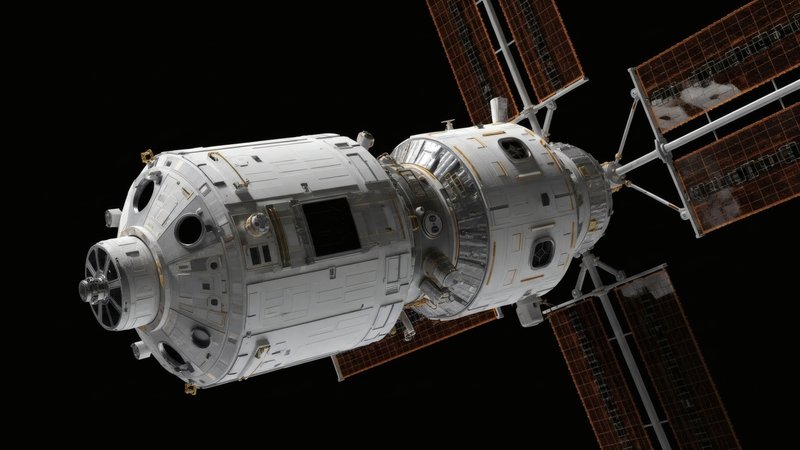
Google rolled out interactive 3D model generation for Gemini this week, letting users create simulations they can manipulate in real-time. Ask for a moon orbiting Earth, and you get a 3D model with speed sliders, orbital path toggles, and rotation controls. The feature works through Gemini's Pro model and responds to prompts like "show me a double pendulum" or "help me visualize the Doppler effect." Users then click "Show me the visualization" to activate the interactive elements.
This feels less like innovation and more like table stakes. Anthropic gave Claude automatic chart generation weeks ago, while OpenAI added math and science visualizations to ChatGPT around the same time. Google's playing catch-up in a space where visual AI responses are becoming expected, not impressive. The real question isn't whether Gemini can render a spinning planet — it's whether these 3D models are accurate enough for actual learning or just flashy demos.
What's telling is how Google positions this as an "upgrade" when it's really feature parity. The company's pricing structure reveals their priorities: basic access comes free, but the good stuff requires paid tiers. While competitors focus on making their AI more useful by default, Google seems more interested in creating upgrade paths. The 3D models work, but they're gated behind model selection and require specific prompting patterns.
For developers, this signals where the industry is heading — multimodal outputs aren't optional anymore. If you're building AI products, users will expect visual responses, not just text. But don't get distracted by the 3D shininess. Focus on accuracy and utility over visual flair, because that's where the real value lives.