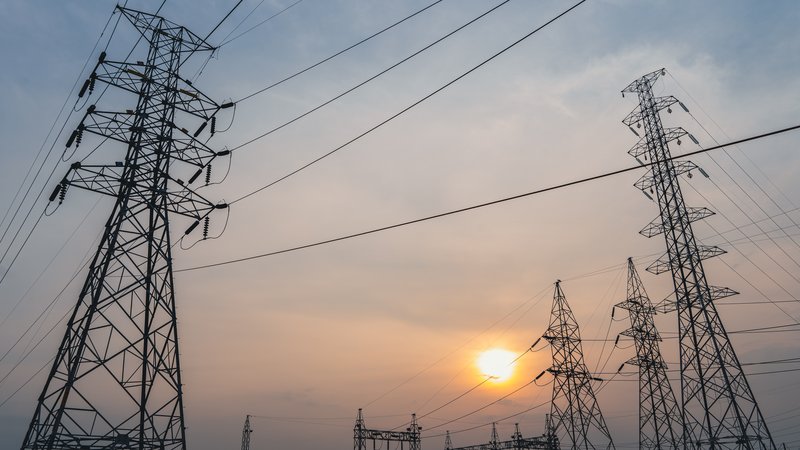
India's data center capacity is racing toward 10 GW by 2030, with AI workloads alone demanding an additional 40 terawatt hours of electricity—enough to bump data centers to nearly 3% of the country's total power consumption. The $100 billion investment wave through 2027 is driven by AI demand, 5G rollouts, and data localization laws, but the power grid planning hasn't kept pace with the infrastructure ambitions.
This isn't just about keeping the lights on. While India pushes to become a global AI hub and grants 'infrastructure status' to data centers, other countries are already prioritizing power allocation for future capacity. The UK is boosting strategic demand planning specifically for data centers. India's approach feels reactive rather than strategic—building first, worrying about power later.
The timing collision is particularly brutal. Sarvam AI just raised record funding as part of India's AI boom, but that success story sits alongside warnings about resource constraints that could choke growth. Beyond electricity, water usage for cooling presents another bottleneck that the aggressive expansion timeline doesn't adequately address. The gap between digital ambitions and physical infrastructure reality is widening.
For AI builders eyeing India's market, this power crunch isn't theoretical—it's a deployment constraint that could hit sooner than expected. If you're planning Indian infrastructure or partnerships, factor in power availability as a real limiting factor, not an afterthought. The hardware may be ready, but the grid isn't.