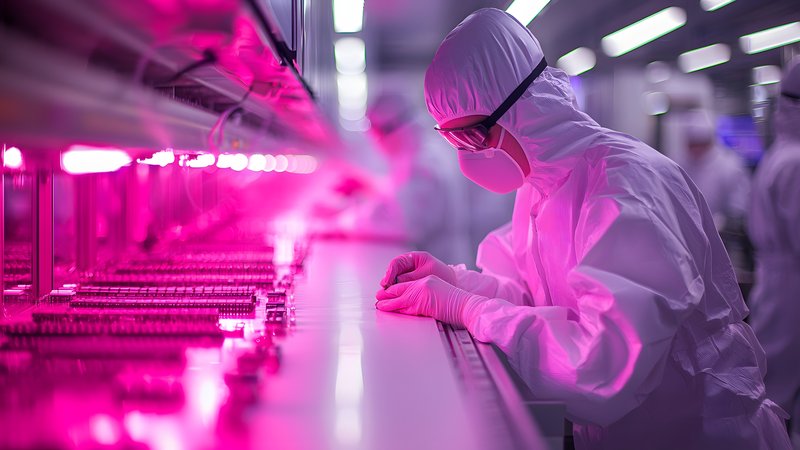
Intel announced it will participate in Elon Musk's Terafab initiative, sending shares up 4% as investors see potential upside in the collaboration between SpaceX and Tesla to build a semiconductor manufacturing hub. The facility will focus on chips for satellites, robots, and autonomous vehicles — markets where Intel has struggled to gain meaningful traction against NVIDIA and specialized chip makers.
This partnership makes sense for both sides, but for different reasons. Intel desperately needs wins in AI-adjacent markets after missing the initial GPU boom, while Musk needs a manufacturing partner with actual fab capacity for his growing hardware ambitions across multiple companies. Terafab represents Musk's recognition that vertical integration in semiconductors is becoming critical for companies building at scale in AI, robotics, and space tech.
What's notable is how quickly this moved from my April coverage of Intel's "desperate hunt" for AI partnerships to actual execution. The 4% stock bump suggests investors see this as validation of Intel's pivot strategy, though the real test will be whether Terafab can actually deliver competitive chips for these specialized applications. The collaboration timeline and specific chip architectures remain unclear.
For developers building on AI infrastructure, this could eventually mean more chip options for edge computing and robotics applications, potentially breaking NVIDIA's stranglehold on certain market segments. But don't hold your breath — semiconductor manufacturing partnerships take years to show results, and Musk's track record on ambitious manufacturing timelines speaks for itself.