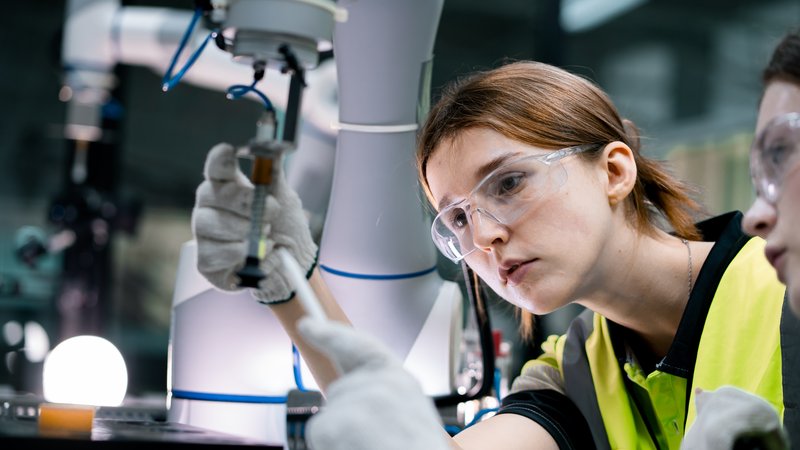
Japan is moving AI-powered robots from pilot programs into real commercial deployment, driven by an acute labor shortage that's hitting industries nobody wants to work in. Companies are installing robotic systems in warehouses, factories, and logistics centers where finding human workers has become nearly impossible. Unlike the typical "robots taking jobs" narrative, these deployments target roles that remain chronically unfilled despite rising wages.
This shift represents a fundamental change in how physical AI gets adopted. Instead of competing with existing workers, robots are filling gaps that demographic decline has created. Japan's aging population and shrinking workforce make it an ideal testbed for embodied AI that other developed nations will likely face within a decade. The focus isn't on replacing skilled workers but automating the repetitive, physically demanding jobs that younger generations increasingly reject.
The move from pilot to production reveals both the promise and current limitations of physical AI. While these robots can handle structured tasks in controlled environments, they still struggle with the adaptability that even "unskilled" human workers bring to unpredictable situations. The deployments are working precisely because they target highly repetitive work in standardized facilities, not because the technology has achieved human-level dexterity or decision-making.
For developers building AI systems, Japan's approach offers a practical roadmap: start with labor-shortage industries where perfect automation isn't required, just consistent execution of well-defined tasks. The real market opportunity isn't in building better humans—it's in building reliable systems for work that humans increasingly won't do.