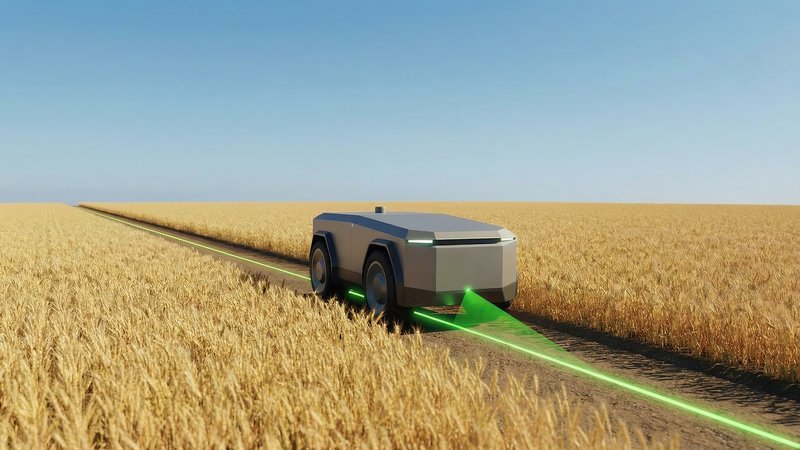
Monarch Tractor, once valued at over half a billion dollars, has collapsed after burning through $240 million in funding and laying off its entire workforce. The company promised revolutionary AI-powered autonomous tractors for agriculture when it launched in 2023, but has now vacated its California headquarters and warned it may shut down entirely. Patrick O'Connor, a California winemaker who tested the machines for three years, called the project a complete failure that "wasted" a quarter billion dollars.
This spectacular flameout exposes a familiar pattern in AI robotics: massive funding chasing theoretical capabilities that don't translate to real-world reliability. Monarch's collapse echoes broader issues plaguing autonomous systems—the gap between demo videos and production-ready hardware that can operate safely in unpredictable environments. While AI excels at pattern recognition and decision-making in controlled digital spaces, physical world applications remain brutally unforgiving of edge cases and sensor failures.
O'Connor's damning assessment reveals the depth of Monarch's technical failures. The tractors couldn't maintain basic row-following without damaging vines, had "finicky" hydraulics, and posed safety risks that made autonomous operation impossible. "I wouldn't let anyone else around it," he told SFGATE. Multiple tractor dealerships sued Monarch for allegedly selling defective products and making misleading autonomy claims, though the company denied the allegations before its attorneys reportedly stopped representing them.
For AI builders, Monarch's downfall underscores the importance of extensive real-world testing before massive scaling. The gap between controlled demonstrations and reliable field performance in agriculture—with its variable terrain, lighting, and obstacles—proved insurmountable despite enormous investment. O'Connor now uses his $240 million tractor as a "glorified mule" for hauling tools and splitting wood.