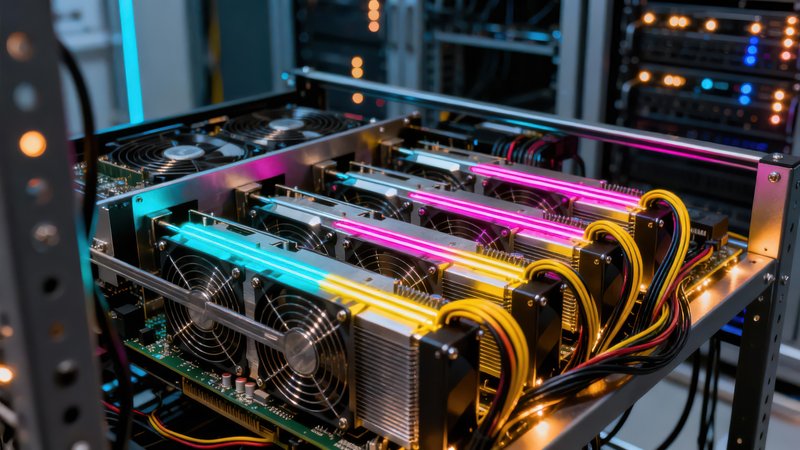
NVIDIA donated its Dynamic Resource Allocation (DRA) driver for GPUs to the Cloud Native Computing Foundation at KubeCon Europe, transferring ownership from vendor control to the Kubernetes community. The driver handles GPU resource allocation in Kubernetes clusters, supporting NVIDIA's Multi-Process Service and Multi-Instance GPU technologies for smarter hardware sharing. The donation also includes GPU support for Kata Containers, extending hardware acceleration into confidential computing environments.
This matters because GPU orchestration in Kubernetes has been a persistent pain point for AI infrastructure teams. As I noted when covering NVIDIA's previous Kubernetes contributions, managing GPU resources efficiently across clusters remains one of the biggest operational headaches in production AI deployments. Moving this critical piece of infrastructure to community ownership means faster iteration, broader compatibility testing, and reduced vendor lock-in concerns for organizations building AI platforms.
No other major sources covered this announcement, which suggests the AI media is still focused on flashier model releases rather than the unglamorous infrastructure work that actually enables AI at scale. The timing aligns with NVIDIA's broader push to standardize AI infrastructure components across the ecosystem, particularly as competition heats up from AMD, Intel, and cloud providers building their own AI chips.
For developers running AI workloads on Kubernetes, this changes the game. Instead of wrestling with proprietary NVIDIA tooling or building custom resource managers, teams can now rely on community-maintained, vendor-neutral GPU orchestration. The support for dynamic reconfiguration and fine-grained resource requests should make multi-tenant AI clusters significantly more practical.