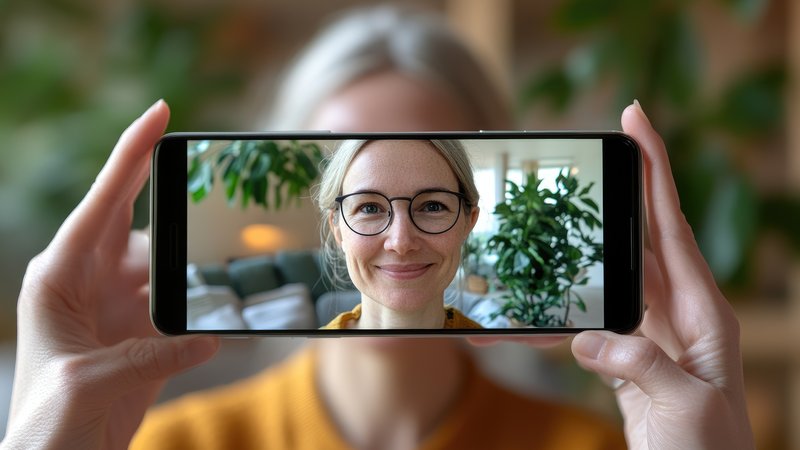
YouTube is rolling out an AI avatar feature that lets creators deepfake themselves with just a recorded selfie and voice prompts. The tool generates realistic digital clones that can appear in eight-second Shorts videos, complete with the creator's appearance and voice. Users need good lighting, a quiet background, and must be 18+ with an existing channel. Google frames this as "safer" AI content creation, promising clear labeling with SynthID watermarks and C2PA authentication.
This launch exposes the platform's schizophrenic approach to synthetic content. YouTube simultaneously battles deepfake scams and AI slop while actively building tools that make deepfakes accessible to millions. The timing is telling—this arrives just as OpenAI killed Sora, leaving a gap in consumer video generation that Google is eager to fill. But democratizing deepfake technology raises obvious questions about verification and trust when anyone can literally put words in their own mouth.
The broader deepfake ecosystem reveals how normalized this technology has become. Multiple sources show deepfake creation tools are already widely available across Android, iOS, and desktop platforms, powered by GANs that can convincingly swap faces and voices with minimal technical knowledge. What YouTube is doing isn't revolutionary—it's mainstreaming capabilities that were underground just years ago.
For developers, this signals where the industry is heading: synthetic media as a default feature, not an edge case. The authentication markers like C2PA are well-intentioned but practically useless—they're easily stripped and ignored by bad actors. If you're building content platforms or verification systems, plan for a world where distinguishing real from synthetic becomes exponentially harder, regardless of Google's promises about responsible deployment.