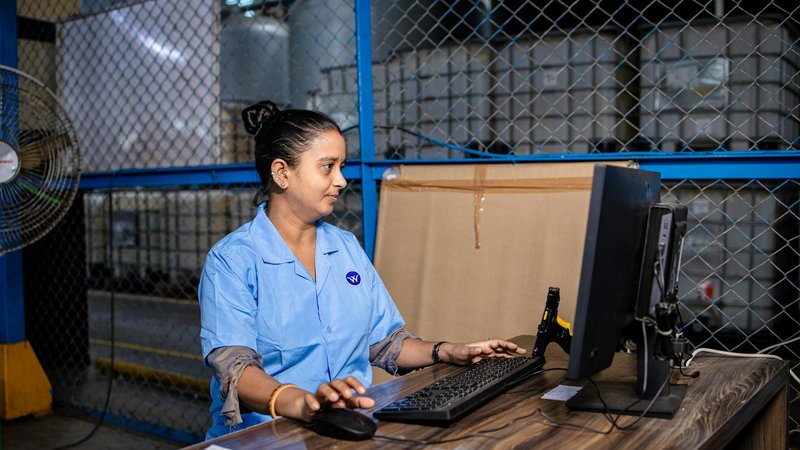
A mini-documentary by AI labor reporter Karen Hao, published this week through nonprofit More Perfect Union, surfaced 2025 research from the Communication Workers of America showing that 22% of workers training AI systems have experienced homelessness due to their wages. A parallel study by labor researcher Tim Newman puts the bill-pressure number at 86% — i.e., 86% of data workers Newman surveyed struggled to pay bills last year, and roughly a quarter relied on public assistance such as SNAP or Medicaid. The named center of the documentary is Mercor, a San Francisco-based online marketplace that connects contractors with AI buyers including OpenAI. Mercor reports a workforce of around 30,000. The recurring pattern Hao documents is recruitment of recently-displaced white-collar workers to teach AI systems how to do their old jobs — including one interviewee, "Jen," an Ivy League PhD on food stamps who took a Mercor gig at $55/hour as a "philosophy intelligence analyst" only to have her contract terminated by group message after two weeks.
The stats want appropriate framing. The CWA is a labor union with a policy position; the 22% homelessness figure is from union research surveying AI-training workers, not from BLS or an independent census, and the lede doesn't disclose sample size or methodology. Newman's 86%-struggling-with-bills figure is similarly self-reported survey data without a comparison cohort. That said, Hao is a credible AI labor reporter (formerly at MIT Technology Review) whose previous work on Sama, Scale AI and the African data-labeling pipeline has stood up to fact-check; More Perfect Union is an established labor-focused nonprofit. The Mercor pattern — gig pay, sudden contract terminations, opaque task description, AI-buyer non-disclosure — is consistent with patterns reported earlier in 2026 by Wired (the Ruth Fowler Hollywood-screenwriters piece) and by ongoing coverage of Meta's data-labeling layoffs in Ireland. The directional signal stands even where individual statistics want verification.
The ecosystem read connects threads that have been moving in parallel but unconnected. The Anthropic-overtakes-OpenAI piece earlier today showed the lab market consolidating into two enterprise frontrunners with sticky distribution; this Hao documentary shows the data-labor floor those models train on. Both are true: AI is consolidating at the lab tier and bifurcating at the labor tier — top-of-market engineering salaries at frontier labs, gig-wage precarity at the data-labeling tier supplying RLHF, preference data, and capability-specific fine-tuning sets. The "AI is built on cheap labor" narrative has been a recurring theme since 2022 Kenyan data workers reporting on training Sama-contracted GPT moderation; the new shape in 2026 is that the cheap labor is now also Ivy PhDs in the US, not just outsourced labelers abroad. That has policy implications builders should expect: state-level legislative interest, possible CWA organizing campaigns, and procurement scrutiny on data vendors.
For builders: if you buy data labeling or preference data through Mercor, Scale, Surge, or Invisible, the labor-practice question is now load-bearing for procurement diligence — not abstract ESG concern. Three concrete things to do: (1) ask your vendor for documented per-worker compensation floors and contract-stability commitments before signing; (2) factor reputational risk into vendor selection — at least one of these companies is likely to face a high-profile labor story in the next 12 months; (3) expect labor-practice disclosure to become part of the standard data-vendor compliance package the way SOC 2 became standard for cloud vendors. The CWA stat may have caveats but the underlying pattern is real, and the policy attention is going to compound. The Hao documentary is on More Perfect Union; that is the primary source worth watching before the secondary coverage shapes the narrative.