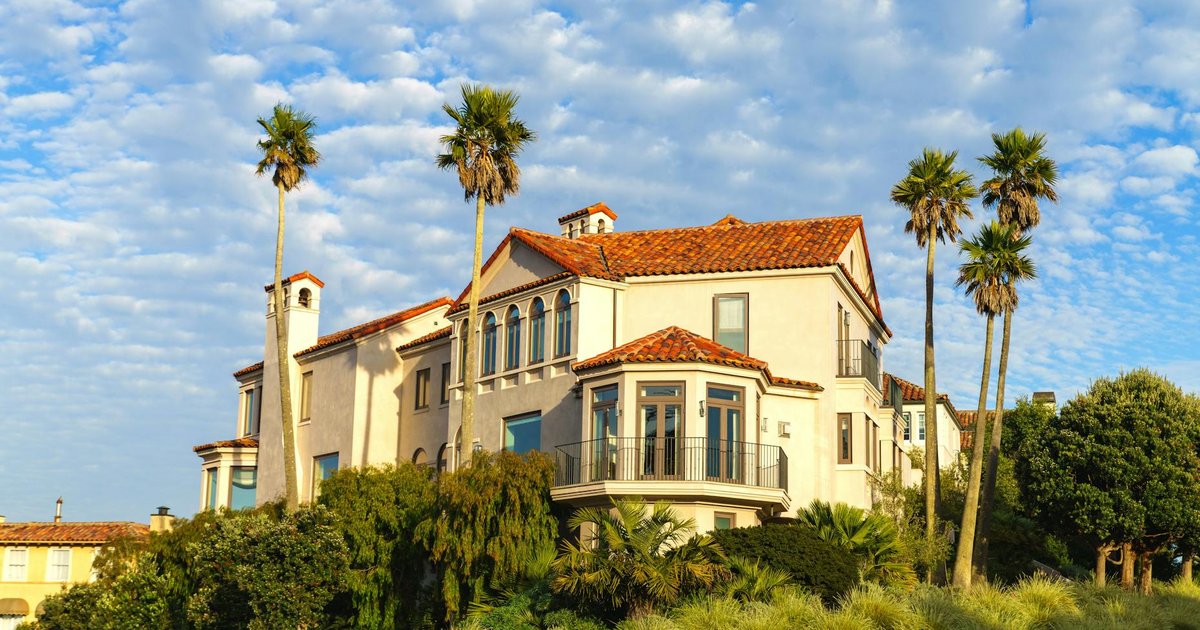
Storm Duncan, an investment banker who relocated from the Bay Area to Miami during the pandemic, has listed his property at 114 Inez Place in Mill Valley with an unusual ask: he will take Anthropic equity in exchange. Duncan paid $4.75 million for the 13-acre site in 2019. He has not put a public share-count on the trade, but the structure he is publicly describing is more interesting than the headline. Buyers do not have to liquidate stock immediately; the deal is private. And the buyer retains 20% of the upside value of the shares exchanged during the lockup period. Duncan is calling it a diversification play — he feels overexposed to real estate and underexposed to AI, and he says junior Anthropic employees in the inverse situation are who he expects this to appeal to.
The terms matter more than the listing itself. Anthropic equity is currently illiquid: tender offers happen, secondaries leak through specialized brokers, but most employees cannot meaningfully sell. A house-for-shares deal is one of the few ways an Anthropic engineer could turn paper wealth into a tangible asset without going through a tender, and Duncan's "you keep 20% of the lockup-period upside" sweetener is the part that makes the math actually work for the buyer. If shares appreciate during the lockup — which the entire structure assumes — the buyer captures a slice of that appreciation rather than the seller capturing all of it. That clause is what separates this from a vanilla seller-financing deal and turns it into something closer to a structured equity swap.
The cultural reading is the obvious one: AI private equity has reached the threshold of valuation and durability where it functions as spendable wealth even before a public market exists. We have been here before with crypto in 2017 and 2021, with FAANG RSUs in the 2010s, and with dotcom shares in 1999. Each cycle, real estate at the high end becomes one of the first surfaces where the new wealth shows up in transactions. The Mill Valley listing is not the first AI-equity-for-property deal that has happened privately — those have been quietly closing in San Francisco for at least the past year — but it is one of the first to be public about the structure. The signaling effect is the point. Duncan is advertising that he believes the equity is good enough collateral that he will accept it for an asset he probably cleared his cost basis on six years ago.
For builders watching the AI economy from outside the equity windfall, this is a snapshot of how the wealth created by the current cycle is going to flow through the rest of the economy long before any IPO happens. Real estate is the first surface, but it will not be the only one. Expect more of these listings, expect them to migrate from Mill Valley out to Tahoe and Park City, and expect a small specialty brokerage industry to spring up that handles AI-equity-as-payment with proper escrow, lockup-aware contracts, and tax structuring. The interesting question is what happens to this market when the next AI valuation correction hits. The 20% upside-kept clause Duncan included is itself a hedge against that scenario; the buyer is partially protected if shares appreciate, partially exposed if they do not. Watching how those terms get written into future deals will say a lot about how confident the AI ecosystem actually is in its own paper.