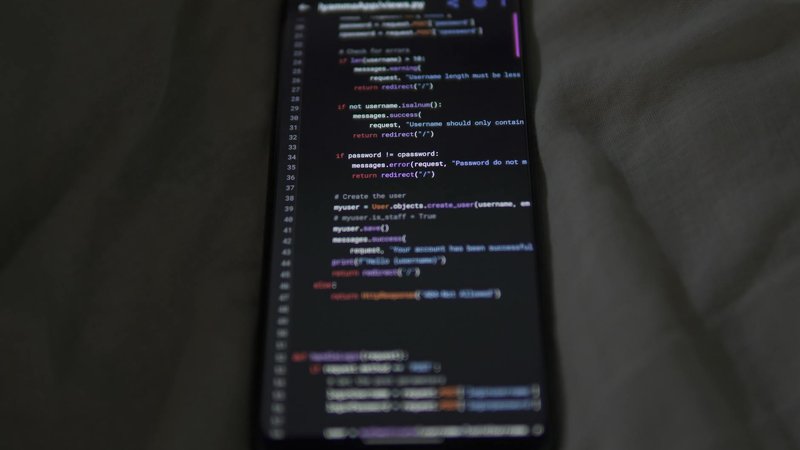
Apple is enforcing App Store Guideline 2.5.2 against AI vibe-coding apps that let users prompt-generate working software on-device. Replit reports being blocked from publishing updates after years of compliance. Anything's app has been rejected, briefly approved in early April, then pulled within a day, then rejected again twice — caught in a catch-22 where including a runtime preview triggers the "downloads code that changes functionality" prohibition, while removing the preview triggers "minimum functionality" rejection. Cursor's iPhone version, conspicuously, hasn't shipped at all. The pattern suggests this isn't selective enforcement of an old rule against new apps; it's a deliberate policy stance that AI codegen as a category doesn't fit current App Store guidelines.
Guideline 2.5.2 is old. It prohibits apps from "downloading, installing, or executing code that changes their functionality" — written for the late-2010s era of dynamic-update bypasses, not for AI tools where generating runtime code is the entire product. Apple's stated concern, surfaced in the Anything rejection notes, is that AI tools generating arbitrary code at scale could ship malware or unvetted software through the trusted App Store channel. The Anything founder's framing of the absurdity is exactly right: there's no path through the existing rule for an AI app whose function is to produce executable software. You can't have a vibe-coding app that doesn't produce executable software, and once it produces executable software, 2.5.2 catches it. The handful of approvals are inconsistent enough to look like the review queue is making divergent calls — some get through, then get pulled when someone notices.
The ecosystem read is that mobile is now an AI-codegen-hostile distribution surface, and the workaround is web. Replit's web product runs unaffected, Cursor's desktop and web work fine, Claude Code runs on macOS terminal, Bolt and Lovable distribute via browser. The pattern is consistent: AI codegen ships through Chrome on iOS, not through the App Store, because Apple's WebKit policy doesn't extend the 2.5.2 prohibition into browser tabs. Builders shipping AI coding tools targeting consumer phone users have a real distribution gap: the iOS App Store is the highest-conversion channel and it's effectively closed to the category. Android is more permissive but the platform mix is wrong for the typical AI-tool user. The plausible end-state is either Apple updates 2.5.2 to carve out an AI-codegen exception (with whatever approval gates they specify), or the category just stays web-distributed on iOS for the foreseeable future. Neither outcome is great for builders banking on app-store discovery.
Practical move: if you're building an AI coding tool and considering an iOS app, don't. Prioritize a PWA or web app that works in iOS Safari, and assume App Store distribution is at least 12-18 months out — Apple has shown no signs of revising 2.5.2 or adding a guideline carve-out. If you're already in the queue, the Anything pattern suggests fighting through the review process is unproductive: the inconsistency is at the review-team level, the underlying policy hasn't moved. The longer-term watch: whether Apple's own AI tooling (Swift Assist, Xcode AI features) gets caught by the same rule when end-users prompt-generate code that compiles and runs. If the rule applies symmetrically, expect a quiet guideline update; if it doesn't, expect a developer-relations problem that gets noisier.