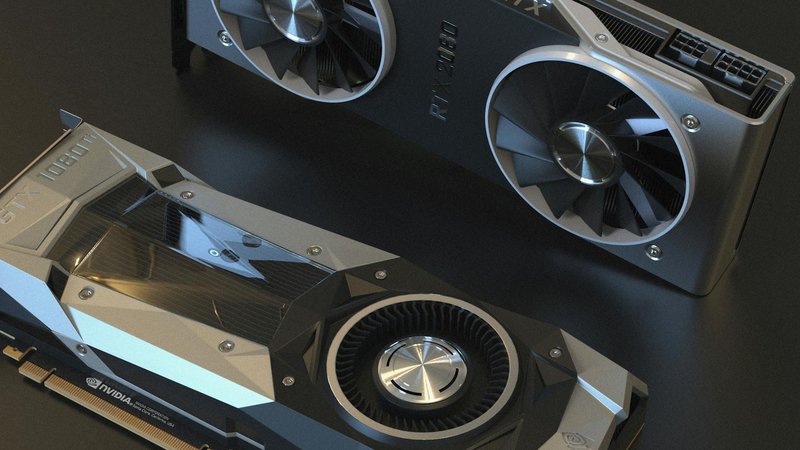
Nous Research के Hermes Agent ने तीन महीने से कम में GitHub पर 1,40,000 stars पार कर लिए हैं, और NVIDIA द्वारा OpenRouter का हवाला देते हुए कहा गया कि पिछले हफ़्ते तक यह दुनिया का सबसे ज़्यादा इस्तेमाल किया जाने वाला agent है। NVIDIA का बुधवार का post Hermes को AWS, Google और Anthropic के hosted agent stacks के स्थानीय-हार्डवेयर counterpart के रूप में रखता है, जो RTX PCs, RTX PRO workstations और DGX Spark personal AI box (128GB unified memory, 1 petaflop AI performance) के लिए optimized है। चार design निर्णय Hermes को wrapper tier से अलग करते हैं: self-evolving skills (agent runs के बीच अपना skill set ख़ुद लिखता और refine करता है), contained sub-agents (अल्पकालिक, isolated workers, focused tool scope के साथ, जो context windows को इतना छोटा रखते हैं कि local models पर चलें), Nous-curated reliability (release से पहले हर shipped skill, tool और plug-in stress-tested), और "active orchestration" framing — Hermes ख़ुद को runtime के रूप में स्थापित करता है, model के ऊपर एक पतले shim के रूप में नहीं।
कहानी का model पक्ष Qwen 3.6 है, Alibaba का अभी जारी हुआ open-weight family। NVIDIA दावा करता है कि नया 35B model लगभग 20GB memory पर चलते हुए पिछली पीढ़ी के 120B parameter models को मात देता है (बनाम 120B class के लिए 70GB+), और नया Qwen 3.6 27B dense model Qwen 3.5 के 397B की accuracy को सोलहवाँ हिस्से size पर मिलाता है। दोनों दावे "you can run this locally" वाली narrative के लिए load-bearing हैं और third-party harness verification माँगते हैं — NVIDIA की marketing copy नहीं बताती कि ये तुलनाएँ किन evals पर टिकी हैं, और capability-per-parameter compression claims का track record है कि स्वतंत्र benchmarks आते ही नरम पड़ जाते हैं। underlying ratio (35B के साथ 120B class performance) को परीक्षण के लिए परिकल्पना मानो, सत्यापित परिणाम नहीं, जब तक OpenLLM या LMSYS confirm न कर दें।
ecosystem का read यहाँ इस सप्ताह जो भी ship हो रहा है उसकी local-stack counter-thesis है। AWS WorkSpaces ने agents को hosted virtual desktops दिए; Google का Gemini pointer agents को cloud में रखकर मानव cursor follow करता है; Microsoft का MDASH सिर्फ़ enterprise के लिए और SaaS से delivered है। Hermes ठीक उल्टा है — model-agnostic, provider-agnostic, LM Studio और Ollama के साथ llama.cpp के ज़रिए out-of-box चलता है, किसी की मेज़ के नीचे एक workstation पर always-on local agent के लिए design किया गया। NVIDIA का strategic interest स्पष्ट है (अधिक RTX PRO और DGX Spark units बेचना) पर underlying pattern सच में vendor-स्वतंत्र है: 30B class open weights में इतनी capacity compress हो गई है कि "एक agent पूरे दिन मेरे हार्डवेयर पर चलता है, अपने skills refine करता है, मेरे local tools को call करता है" — यह workflow अब mechanically संभव है। OpenRouter ranking, अगर यह टिके, तो यह पहला असली प्रमाण है कि एक non-vendor open-source agent ने Claude Code, Codex और बंद agents के ख़िलाफ़ developer share-of-mind की लड़ाई जीती है।
builders के लिए: Hermes GitHub repo क्लोन करो, Ollama या LM Studio के ज़रिए Qwen 3.6 27B या 35B के साथ pair करो, और दोनों दावों में से किसी पर भी विश्वास करने से पहले अपने वास्तविक workflow पर benchmark करो। दो चीज़ें देखने योग्य: (1) क्या independent evals Qwen 3.6 27B-397B के बराबर वाले compression को confirm करते हैं — यही पूरी stack का load-bearing engineering claim है; (2) क्या Hermes के self-evolving skills सच में runs के बीच useful capability जमा करते हैं, या पहले के self-improving agent प्रयासों की तरह drift करते हैं। provider/model-agnostic design ही है जो Hermes को NVIDIA pairing से परे दिलचस्प बनाता है — अगर Qwen 3.6 निराश करे, तुम Llama 4 या Mistral Large में swap कर दो और agent layer वहीं रहेगी। pattern ही खबर है; specific hardware bundle marketing layer है।