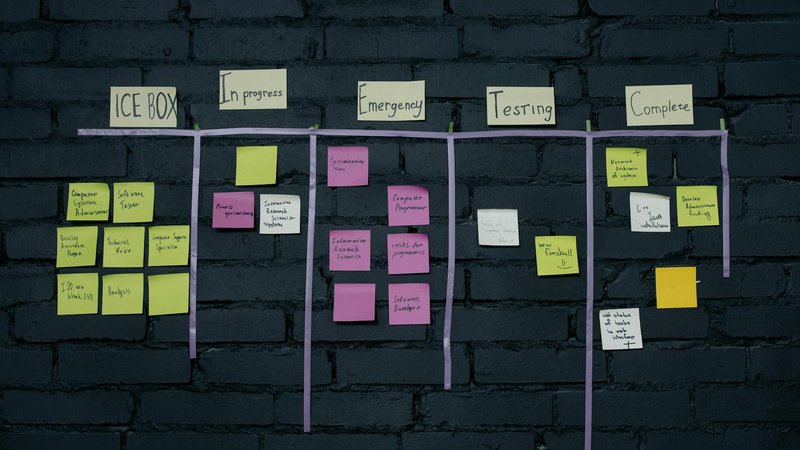
OpenAI ने 17 मई को Symphony open-source किया — एक SPEC.md plus एक Elixir reference implementation, autonomous coding agents को एक project-management task board से orchestrate करने के लिए। Symphony continuously board watch करता है (issues, tasks, tickets, milestones), हर active task को एक dedicated agent को assign करता है जो autonomously चलता है task होने तक, और result को surface करता है ताकि एक human accept या reject कर सके। github.com/openai/symphony। OpenAI का framing: "एक agent के mistakes करने की cost significantly कम हो जाती है, क्योंकि यह primarily completed work review करने और reject करने में involve होती है" — batched async review, interactive in-flight correction नहीं।
Symphony को existing agent frameworks से separate करने वाली architectural choice control plane है। LangGraph state को एक graph के रूप में model करता है जो orchestrator के पास होता है; AutoGen इसे एक inter-agent conversation के रूप में treat करता है; CrewAI एक explicit role/task assignment use करता है। Symphony जो भी issue tracker team पहले से use कर रही है उसी पर control plane के रूप में parasite करता है — team के board में जो हर task exist करता है वो एक agent input है, और agent का output वापस ticket updates के रूप में flow करता है। यह एक non-trivial design point है: यह bespoke orchestrator UI को eliminate करता है और उस human review workflow को reuse करता है जो teams पहले से operate करती हैं। यह agent के task surface को भी constrain करता है "जो एक issue में fit होता है" तक, जो एक useful prior है। Notable implementation detail: Elixir, Python या TypeScript नहीं। Elixir के OTP supervision-tree semantics उन long-running per-agent processes पर cleanly map होते हैं जिन्हें restart और isolation की ज़रूरत होती है।
इसे मई के बाकी orchestrator week के against रखो। Anthropic ने Routines ship किया (Claude Code workflows Anthropic के cloud पर, repo-event-triggered, कोई published pricing नहीं)। BerriAI ने LiteLLM Agent Platform open-source किया (Kubernetes self-hosted, MIT, multi-provider)। अब OpenAI Symphony ship कर रहा है (SPEC plus Elixir reference, issue-tracker control plane)। नौ दिनों में तीन अलग orchestration philosophies released। Symphony की specific bet: agent orchestrator को team के existing PM tooling में गायब हो जाना चाहिए नई surface बनने के बजाय — "हम cloud operate करते हैं" (Routines) या "आप Kubernetes operate करते हो" (LiteLLM) से different competition framing। SPEC.md एक real interop standard बनता है या OpenAI-only convention रहता है, यह इस पर depend करता है कि non-Codex agents के लिए community implementations land होती हैं या नहीं।
सोमवार: अगर आपकी team पहले से एक issue tracker (Linear, GitHub Issues, Jira) चलाती है और autonomous coding agents consider कर रही है, Symphony का model serious look के लायक है — integration story है "आपका existing board, plus एक agent जो उसे watch कर रहा है।" Elixir reference implementation gate है — अगर आपके पास BEAM expertise नहीं है, या तो इसे एक model के रूप में treat करो अपने preferred runtime में reimplement करने के लिए, या community ports का wait करो। Near-term question: क्या Symphony एक SPEC बन जाता है जिस पर Codex Mobile, Codex CLI, और third-party agents converge करते हैं, या यह एक Codex-only orchestrator बना रहता है। अगले चार से छह हफ्तों में, GitHub repo को watch करो non-Codex adapter PRs के लिए और SPEC.md को protocol-versus-implementation language के लिए।