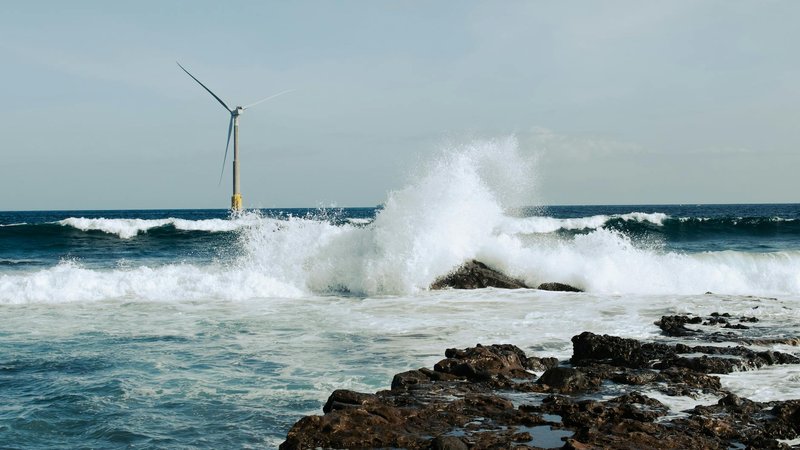
Oregon-based startup Panthalassa ने Peter Thiel के नेतृत्व में $140 million जुटाए ocean waves से powered floating AI data centers बनाने के लिए। Ocean-3 prototype एक self-contained orb है — कोई anchor नहीं, कोई power cable shore तक नहीं — जो internal turbine के through wave motion को electricity में convert करता है, onsite AI compute चलाता है, और results LEO satellites के through transmit करता है। Pilot deployments August 2026 के लिए slated हैं, commercial systems 2027 के लिए planned। economic claim अगर scale हो: $0.02 per kWh, जो typical onshore data-center power cost ($0.04-0.10/kWh) का लगभग आधा होगा। ये उस तरह का infrastructure bet है जिसे dismiss करना आसान है जब तक आप याद न करो कि grid capacity और cooling के लिए water अब AI compute scale-out पर actual constraints हैं, GPUs खुद नहीं।
mechanism concept में सीधा है: जैसे ही orb swell पर ride करता है, internal tube में water ऊपर chamber में force होता है, फिर turbine के through, generators को घुमाते हुए। hard engineering questions wave-power की physics में नहीं हैं — वो well-trodden है — वो system integration में हैं। per-orb power output prototype dimensions के आधार पर sub-MW class है, तो commercial scale का मतलब है कई orbs deploy करना, जिसका मतलब है station-keeping (untethered, GPS-corrected position), inter-orb power और data networking, satellite-uplink bandwidth aggregation, और ocean-water cooling loops जो operational lifetimes पर foul या corrode न करें। LEO satellite uplink (Starlink-class) per terminal bandwidth को ~100 Mbps पर cap करता है — batch training jobs और async inference के लिए workable, real-time interactive workloads के लिए terrible जहाँ latency मायने रखती है। ocean water के through cooling architectural win है: latitude के अनुसार 4-15°C surface temperature पर free continuous heat exchange, summer में active chillers की ज़रूरत वाले air-cooled onshore facilities से बहुत बेहतर।
ecosystem reading: 2025-2026 वो साल रहा जब grid constraints AI builders को visible हुईं। Hyperscalers 20-year nuclear PPAs sign कर रहे हैं, neoclouds किसी भी megawatt के लिए race कर रहे हैं, और gas turbine lead times 4-5 साल तक खिंच गए। Ocean-based compute «अगर हम grid को पूरी तरह bypass करें तो क्या» के credible जवाबों में से एक है। ये onshore footprint को जल्दी replace नहीं करेगा — latency-sensitive inference, regulatory-bound data residency, और ज़्यादातर enterprise workloads onshore रहते हैं — पर batch training, gigawatt-months consume करने वाले frontier-model pretraining runs, और बिना latency budget वाली async inference के लिए, एक offshore floating capacity जो grid hookups या cooling water के लिए compete नहीं करती, उसका real economic argument है। $0.02/kWh number scale assume करता है; prototype phase दिखाएगा कि orb economics unit-1 cost पर hold करती है या सिर्फ़ unit-10000 पर। critical path: international waters और US territorial seas में compute-bearing structures के लिए jurisdictional/regulatory framework, plus orb के टूटने पर data कौन own करता है और कैसे reach करता है ये सवाल।
practical move: ये किसी भी builder के लिए Q3 procurement decision नहीं है, पर compute supply कहाँ expand होती है इस पर forward signal के तौर पर track करने लायक है। अगर आप training infrastructure चलाते हो, watch करो कौन-से workloads offshore migrate करना शुरू करते हैं — early adopters वो hyperscalers होंगे जो latency की परवाह न करने वाले pretraining batches चलाते हैं, जहाँ grid + cooling + land पर savings orbs के capex के against amortize करते हैं। अगर आप inference चलाते हो, LEO-uplink latency floor (~50-100ms LEO hop + propagation) आपको अभी onshore रखता है। longer-term watch ये है कि neoclouds या hyperscalers Panthalassa का platform pick करते हैं या अपना बनाते हैं — Microsoft ने पहले floating data center experiments किए (Project Natick, sealed undersea pods), पर वो sealed/anchored था। Panthalassa का untethered design नया architectural bet है, और क्या ये Ocean-3 pilot site पर एक Oregon winter survive करता है ये अगले बारह महीनों के लिए actual सवाल है।