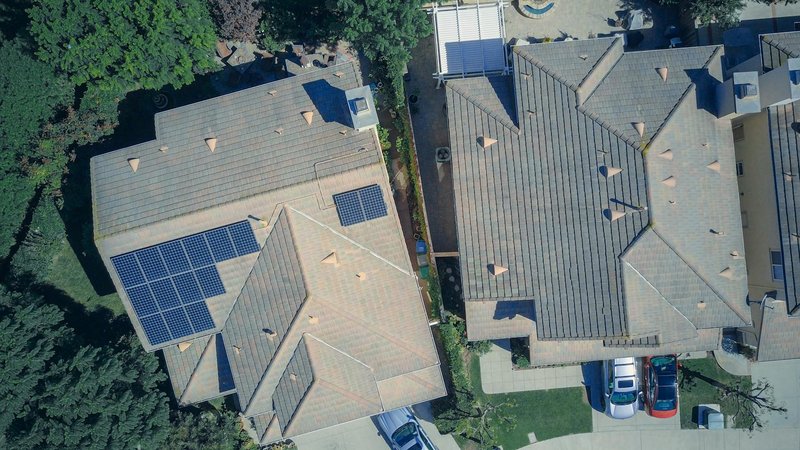
San Francisco startup SPAN ने इस हफ्ते एक distributed AI compute pitch announce किया: नई बनी houses के साथ-साथ XFRA GPU nodes install करना — प्रति node 16 NVIDIA RTX Pro 6000 Blackwell Server Edition GPUs plus 4 AMD EPYC CPUs plus 3 TB memory, liquid-cooled, low-noise — homeowners की electricity और internet bills plus $150 flat fee (या possibly कुछ नहीं) pay करना, और 2027 तक 80,000 nodes तक scale करना 1+ gigawatt distributed compute के लिए। 100-घर pilot इस साल launch होती है। VP Chris Lander ने Ars को बताया: "Data centers loud, ugly, और अक्सर local electricity bills बढ़ाते हैं। [यह] quiet, discreet है, और host और community के लिए energy ज्यादा affordable बनाता है।" SPAN दावा करता है equivalent 100MW data center बनाने से 5× cheaper, उनके CNBC interview के अनुसार।
Engineering specifics matter करती हैं क्योंकि वे decide करती हैं कि unit economics काम करती हैं या नहीं। हर XFRA node 80 amps तक draw करता है, जो 200-amp residential service standard में फिट होता है जो पिछले 30 साल में बनाए गए अधिकांश US homes के पास है (Lander कहते हैं "80 amps हर समय available" typical है)। हर home पर 16 kWh battery, SPAN smart panel, और PowerUp software load manage करते हैं। दुर्लभ residential peaks में, system पहले home battery use करता है; extreme cases में, यह "non-critical flexible loads" जैसे EV charging को curtail करता है, homeowner-settable priorities के साथ। Network outages या shutdowns के दौरान workload को अन्य nodes में shift करता है। Workload target explicitly AI inference है (cloud gaming, content streaming, model serving) — training नहीं, जिसे concentrated centralized compute चाहिए concert में काम करते हुए। हर GPU ~$10K, और theft risk को explicitly flag किया गया। Cited experts: Harvard की Electricity Law Initiative के Ari Peskoe local-grid concentration risk पर ("अगर एक block है जिसमें कई houses में ये devices हैं, compute और energy को maximize करना उस local area में बहुत power force करेगा"), और UPenn के Benjamin Lee side-channel attacks पर ("कई side-channel attacks को machine के साथ physical proximity चाहिए, जिसके खिलाफ data centers guard कर सकते हैं; individual homes में distributed GPUs protect करना बहुत ज्यादा कठिन है")। Lee ने यह भी questioned कि क्या conventional 20MW data centers suburban-deployment complications के बिना similar benefits achieve नहीं कर सकते।
"AI infra अजीब जगहों में जाती है" thread के पास अब तीन concurrent architectural bets हैं: orbital (Anthropic-SpaceX-Colossus #799, Google-SpaceX #831, Cowboy Space #818), distributed-terrestrial (यहाँ SPAN का XFRA pitch), और continued hyperscale (Microsoft Stargate, Meta, Google के अपने data centers)। SPAN एक interesting जगह पर बैठता है — यह training compute (orbital और hyperscale bets वो करते हैं) chase नहीं करता, यह edge पर inference को target करता है। Lee की caveat सबसे important architectural point है: inference workloads compute requirements में considerably vary करती हैं (document Q&A vs code generation vs multi-turn conversation) और network connectivity assumption load-bearing है। अगर SPAN low-latency inference को centralized data centers द्वारा same workload backbone fiber पर ship करने से cheaper deliver कर सकता है, play काम करता है। अगर नहीं, यह consumer-crypto-mining playbook एक different sticker के साथ होने का risk है — IoT के लिए Helium, gaming GPU mining rewards, distributed compute schemes generally token incentives wear off होने के बाद अपने decentralized-compute pitches पर deliver नहीं किए। SPAN के pitch में कोई token नहीं है, सिर्फ utility subsidies, जो structurally cleaner है लेकिन distributed inference economics काम करती है या नहीं इस fundamental question को नहीं बदलता।
इस साल 100-घर pilot, 2027 तक 80K nodes projection है (achievement unconfirmed)। Compensation structure ($150 fee या free, subsidized utilities, free 16 kWh battery और smart panel) homeowner pitch है। Article में flag किए risks: utility-grid local concentration, physically accessible GPUs पर side-channel attacks, $10K-each GPUs की theft (Reddit commenters पहले से speculate कर रहे हैं), HOA opposition। AI infrastructure देख रहे सभी के लिए: SPAN orbital और hyperscale के साथ distributed-terrestrial bet है, और inference-at-the-edge का real technical case है अगर unit economics line up करती हैं। CNBC interview से 5× cheaper claim वह number है जो established treat होने से पहले independent verification चाहता है। अगर यह holds, यह AI infrastructure investment का significant chunk residential deployment की ओर redistribute करता है। अगर नहीं, हम 2027 तक जान लेंगे जब 80K target land होने वाला था। QTS Georgia 30M-gallon water case (#816) और orbital data center wave इस distributed-terrestrial path को 18 महीने पहले की तुलना में ज्यादा plausible बनाते हैं — hyperscale buildout के विरुद्ध community opposition real है और बढ़ रही है, और SPAN का pitch explicitly उसे sidestep करने का aim रखता है।