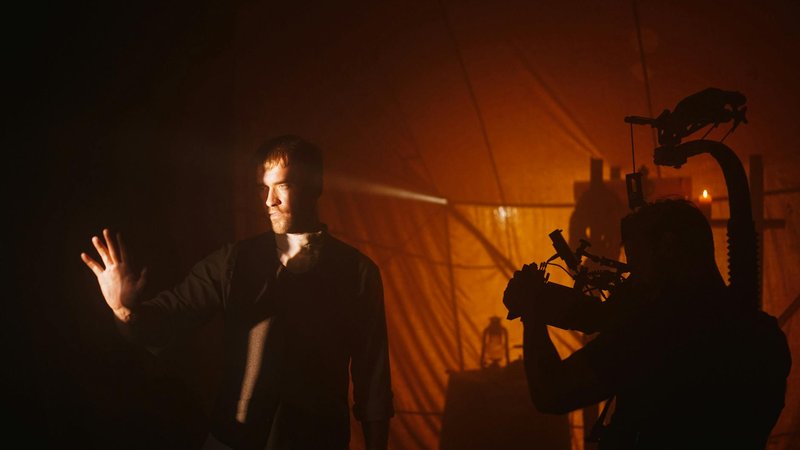
A new "Human Consent Standard" for AI licensing launched today, backed by George Clooney, Tom Hanks, Meryl Streep, Viola Davis, Kristen Stewart, Steven Soderbergh, and Cate Blanchett — who cofounded the RSL Media nonprofit that oversees it — plus the Creative Artists Agency and the Music Artists Coalition. The pitch: extend the Really Simple Licensing (RSL) approach, which lets websites declare AI-training permissions via robots.txt, to apply to a person's likeness, voice, character, and creative work "wherever it appears," not just at a specific URL. A verification Registry launches in June 2026.
The existing RSL Standard, which went live in 2025, lets a website publisher add a directive to robots.txt that AI crawlers can read to determine whether training on the content is allowed, conditional, or prohibited. The Human Consent Standard inherits that mechanism but adds a Registry: people verify their identity, declare permissions, and AI systems check the declaration against the Registry rather than per-URL. RSL Media "translates" the declarations into signals AI systems can read. The architectural difference matters because a person's likeness can appear anywhere on the web — interviews, fan posts, screenshots, deepfakes — so a per-URL robots.txt approach was always going to be insufficient at scale. The Registry is the technical primitive that makes likeness-level permissions work. RSL Media cofounder Eckart Walther: "The purpose of the Registry is to give people and rights holders a trusted place to publish those declarations, so responsible AI systems can check whether a work, likeness, voice, character, or brand is allowed, prohibited, or requires permission."
AI training-data licensing has been moving from court fights to standards-track infrastructure over the past year. The court fights are still active — NYT v. OpenAI, Getty v. Stability AI, multiple author class actions, and the Musk v. Altman trial covering related governance questions (Sam Altman is taking the stand today). The standards-track work has been mostly text-side until now (RSL for web text, C2PA for content provenance, IPTC metadata for image rights). Extending it to likeness/voice/character is where Hollywood has been waiting. CAA's involvement matters because they negotiate the actual licensing deals; their participation signals this isn't symbolic. The Matthew McConaughey and Taylor Swift trademark moves the article cites as precedent — trademarking voice/likeness clips — were the workaround Hollywood used in 2024-25. A standardized opt-in/opt-out is more scalable and accessible to non-A-list talent. The catch: voluntary standards only work if frontier labs adopt them voluntarily or if regulation forces compliance. OpenAI, Anthropic, and Google haven't said yet whether they'll honor Human Consent Standard declarations.
Registry launches June 2026. For working artists, voice actors, screen performers, musicians, and writers: this is the first realistic infrastructure that lets you set machine-readable permissions on your likeness and creative work without needing a trademark filing or a CAA agent. For AI labs: a compliance decision is coming this summer — honor the standard, fight it in court, or implement selective ignore. The pattern that matters most for the ecosystem: AI training data is becoming a permissioned commodity, and the question of how it's permissioned is moving from "ad hoc class actions" to "standards + registry" infrastructure. That's a shift toward a more functional regime even before regulation arrives. For the broader audience: if you've ever wondered whether AI is allowed to learn your voice or likeness without asking, this is the first standard giving you a button to push.