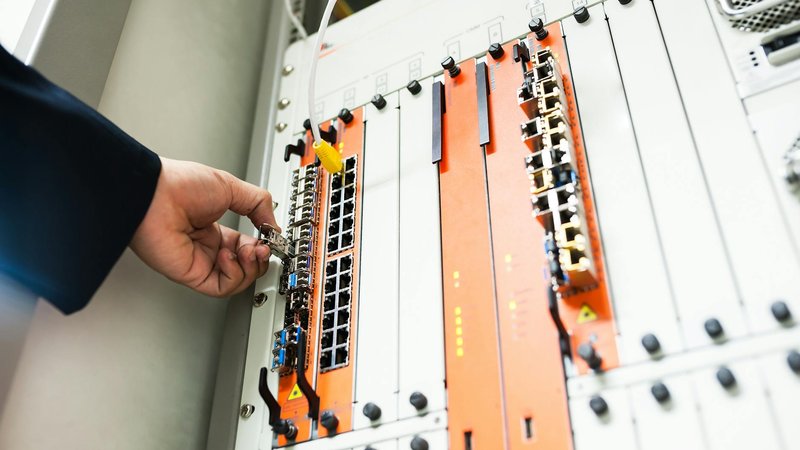
Astera Labs ने आज Scorpio X-Series unveil किया, एक memory-semantic smart fabric switch जो scale-up AI compute clusters के लिए बनाया गया है। headline number है हर chip पर 320 lanes का PCIe 6, NVLink Fusion, UALink और open-standard fabrics के simultaneous support के साथ। company इसे industry का सबसे बड़ा open memory-semantic fabric switch कहती है — framing मायने रखती है क्योंकि आज ज़्यादातर builders जो alternative चलाते हैं वो NVIDIA का proprietary NVLink Switch है, जो एक single rack से परे की trainings में GPU-to-GPU connectivity के लिए de-facto standard रहा है। Scorpio UALink-aligned camp का पहला commercial-scale जवाब है।
Scorpio को अलग करने वाला architectural choice है packet-based के बजाय memory-semantic addressing। GPUs fabric-attached resources को load/store operations के through access करते हैं उसी तरह जैसे वो अपने local HBM तक पहुँचते हैं — Ethernet-based fabrics पर latency जोड़ने वाला packet-translation overhead eliminate करते हुए। Astera इसे proprietary «Hypercast» और in-network compute primitives के साथ pair करता है जो collective operations (all-reduce, all-gather, reduce-scatter — distributed training का दिल) सीधे switch silicon पर चलाते हैं GPU memory के through data bounce करने के बजाय। claim है 2x faster collectives, जो अगर hold करता है तो ये उस तरह का number है जो multi-thousand-GPU scale पर training-economics math बदल देता है। companion P-Series PCIe Fabric Switch family (32-320 lanes) front-end network और छोटे AI compute system deployments handle करती है। specific port count, total bisection bandwidth, latency-per-hop, और NVIDIA NVLink Switch 4 के against competitive numbers launch coverage में नहीं थे — वो अगले सवाल हैं जो मायने रखते हैं।
ecosystem reading ये है कि UALink consortium को अभी एक flagship silicon product मिला। AMD, Intel, Broadcom, Cisco, Google, Meta, Microsoft और दूसरों ने 2024-2025 में UALink को NVLink के open-standard जवाब के तौर पर back किया, और सवाल ये रहा कि उसके लिए production-grade switching silicon कौन ship करता है। Astera Labs अब वो vendor है। AMD MI300X/MI400 या Intel Gaudi या custom silicon के साथ alternative-to-NVIDIA training clusters बनाने वाले neoclouds और hyperscalers के लिए, Scorpio missing piece है — open-standard memory-semantic fabric जो आपको H100s के साथ NVLink Switches खरीदे बिना competitive scale-up domain बनाने देता है। NVIDIA के लिए, ये short term में NVLink को displace नहीं करता — Hopper/Blackwell systems NVLink-native हैं — पर materially moat बदलता है। compute खरीदने वाले customers के पास increasingly fabric layer सहित एक credible non-NVIDIA stack होगा, जो GPU के बाहर NVIDIA का unique architectural lock-in रहा है।
practical move: अगर आप training infrastructure या neocloud operate करते हो, Scorpio के spec sheet को अपने Q3/Q4 hardware roadmap reviews के लिए pull करो। collectives पर 2x speedup claim को आपके actual workload पर validate करना है — collectives workload-dependent हैं, और gain dense MoE training vs RecSys vs LLM pretraining के लिए अलग दिखेगा। अगर आप AMD-shop हो या MI400-class deployment consider कर रहे हो, Scorpio वो fabric है जो आप वाकई ख़रीद सकते हो जो आपके scale-up domain को raw GPU-to-GPU bandwidth और latency पर NVLink-centric NVIDIA cluster से compete करने देता है। अगर आप providers के through compute consume करते हो (ज़्यादातर builders), ये indirectly मायने रखता है: आपके provider के fabric vendor choice का per-GPU-hour pricing पर असर है। Watch करो कौन-से neoclouds अगले दो quarters में Scorpio adopt करते हैं; वहाँ NVIDIA के NVLink-Switch tax पर pricing pressure दिखना शुरू होगी।