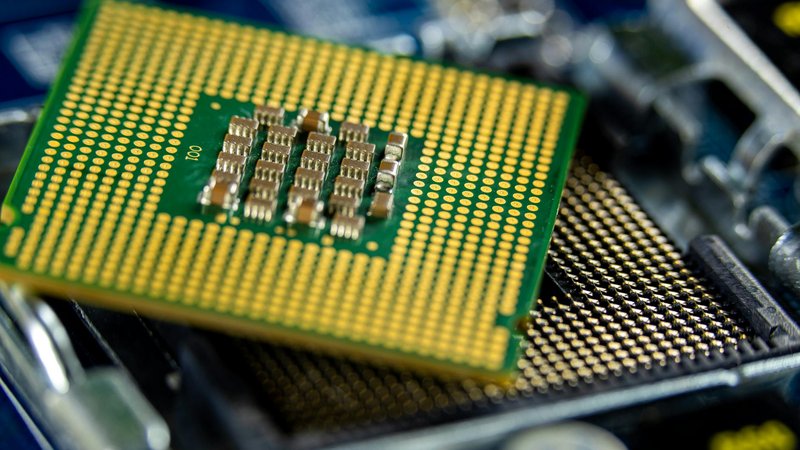
Google ने 8वीं-generation TPU unveil किया chip family organize होने के तरीक़े में structural change के साथ: TPU 8t training के लिए, TPU 8i inference के लिए, एक general-purpose part के बजाय दो distinct silicon products। training chip पिछली generation पर 3x compute claim करता है, एक single superpod 9,600 chips और दो petabytes shared high-bandwidth memory तक पहुँचता है, एक local cluster में लगभग linearly एक million chips तक scale करता है। inference chip 80% better performance per dollar target करता है, हर chip पर 288GB तक memory के साथ — NVIDIA के Blackwell B200 के 192GB से ज़्यादा और Hopper H100 के 80GB से 3x से ज़्यादा। Google ने जो framing चुना वो ये है कि agents की traditional ML inference से qualitatively अलग demands हैं, और दोनों के लिए optimized एक single chip हर एक पर compromised हो जाती है।
architectural choices जो builders के लिए मायने रखती हैं। 8i inference chip long contexts और memory-heavy operations के लिए optimized है — modern agents की workload shape, जहाँ KV cache dominate करता है और multi-turn state working memory में रहता है। 19.2 Tb/s पर doubled interconnect bandwidth specifically Mixture-of-Experts models target करती है, जहाँ expert routing all-to-all communication patterns बनाती है जो conventional fabrics को choke करती हैं। नया Boardfly topology पिछली generation के against maximum network diameter को 50% से ज़्यादा cut करता है — ये topology-level improvement है जो training collectives और inference parallelism दोनों की मदद करता है। 8t training chip के single superpod पर 121 ExaFlops का मतलब है frontier model training per-cluster level पर महीनों से हफ़्तों में गिर जाती है। superpod scale पर two-petabyte shared HBM वो है जो largest dense backbones के लिए on-chip parameter residency के साथ training enable करता है — आज training हो रहे Gemini-class models पिछली TPU generations पर aggressive sharding overhead के बिना scale पर नहीं fit होते।
ecosystem reading इस हफ़्ते पहले के दो threads के साथ pair होती है। Astera Labs Scorpio ने non-NVIDIA training clusters के लिए open-standard memory-semantic fabric ship किया; Google का 8वीं-gen TPU closed counter-direction है — vertically integrated training silicon plus inference silicon plus interconnect plus topology, सब एक साथ designed। training और inference chips के बीच split mirror करता है जो NVIDIA ने अभी तक पूरी तरह नहीं किया (B200 + Spectrum-X design से workload-flexible हैं) और AMD MI300X/MI325X variants के साथ approach कर रहा है पर ज़्यादा loosely। Google Cloud TPU consume करने वाले builders के लिए, practical implication ये है कि आप explicitly going forward training tier vs inference tier pick करोगे — same checkpoint दोनों पर चलता है पर अलग efficiency profiles पर। inference APIs (Vertex, Gemini) के through GCP consume करने वाले builders के लिए, 8i पर 80%-better-perf-per-dollar figure किसी रूप में per-token pricing में flow होती है। closed-frontier vs neocloud-on-AMD evaluate करने वाले builders के लिए, TPU specs closed-frontier calculus बदलती हैं — Google का vertical stack अब inference memory और MoE topology पर meaningfully आगे है, जो वो workload shape है जहाँ Gemini/PaLM-class agents रहते हैं।
practical move: अगर आप Google Cloud पर scale पर inference चला रहे हो, ship होने पर TPU 8i evaluation plan करो — हर chip पर 288GB memory बदलता है आप cache में क्या hold कर सकते हो और बिना paging के कौन-सी context lengths fit होती हैं। अगर आप अपने models train करते हो और TPU pods consume करते हो, 8t cluster economics अलग होगी — नए ExaFlops/$ ratio पर अपनी costs model करो और check करो कि क्या longer-but-cheaper या shorter-but-more-expensive training pulls ज़्यादा attractive हो जाती हैं। GCP पर नहीं वाले builders के लिए, relevant signal competitive pressure है: NVIDIA की next-gen Rubin और AMD की MI400 इस साल बाद में ship होती हैं, और inference-vs-training silicon split वो architectural conversation होगी जिसका वो launches respond करते हैं। per chip memory वो line है watch करने के लिए — 288GB एक नया floor set करता है उसके लिए जो builders को mid-2027 तक inference scale पर expect करना चाहिए।