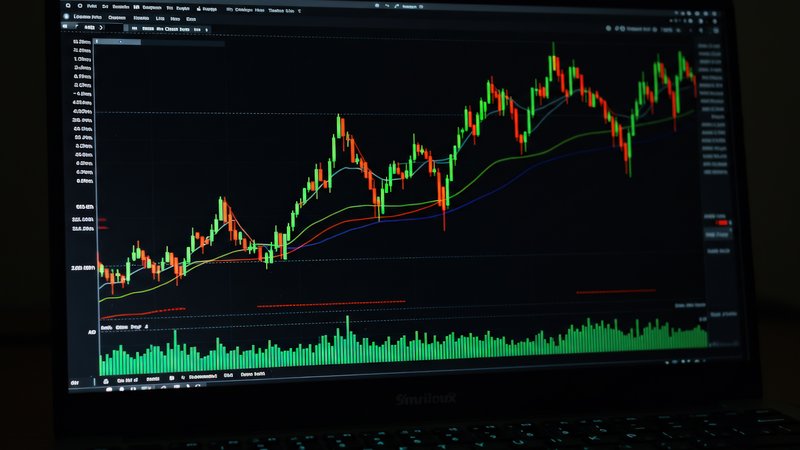
SoftBank shares dropped more than 12 percent on Friday, June 26, after the New York Times reported that OpenAI may delay its initial public offering until 2027. The company had been expected to explore a listing in the third or fourth quarter of this year. What moved the market was not a decision but a report: OpenAI is said to be weighing the delay, and no listing has been confirmed or formally pushed. A story about a maybe was enough to erase double digits from a major company's value in a day.
The reasoning behind a delay, as reported, is less retreat than patience. OpenAI had explored going public at a valuation of as much as one trillion dollars, up from the 730 billion dollars it carried in its last private round, and Sam Altman has reportedly been pressing the company's advisers to reach that trillion-dollar mark. Those advisers, in turn, have cautioned that volatile equity markets and growing doubts about whether AI companies can justify their valuations could soften investor demand. Holding out for the bigger number, in other words, means waiting for a friendlier market.
SoftBank was hit harder than most because it is unusually exposed. It has invested roughly 65 billion dollars in OpenAI, giving it an equity stake of about 13 percent, second only to Microsoft's 27 percent among outside shareholders. On top of that, SoftBank took on a 40 billion dollar bridge loan to fund its OpenAI commitments, and that loan comes due in March 2027. The public listing was part of how that financing was supposed to come good, so pushing the IPO into 2027 puts the exit and the repayment uncomfortably close together.
The larger tell is not about any single company. It is that an unconfirmed newspaper report was able to move a business worth well over 100 billion dollars by double digits in a single session. That is a measure of how concentrated the financial story of AI has become. OpenAI's eventual IPO has quietly turned into a load-bearing wall for more balance sheets than its own, a future event that a great deal of present value is already priced against. When the timing of that one event shifts, the value resting on it shifts with it.
The honest read keeps the uncertainty in frame. This is a report, not a statement from OpenAI, and weighing a 2027 listing today can quietly become a late-2026 listing again if markets turn friendlier. Holding out for a trillion dollars is as much a show of confidence as a sign of caution. But the market's reaction is the real data point, and it is hard to misread. The AI economy now prices a lot on the assumption that OpenAI goes public, more or less on schedule, at a number high enough to keep everyone above water. The lesson of June 26 is how many people are standing on that assumption, and how quickly they feel it when it moves.