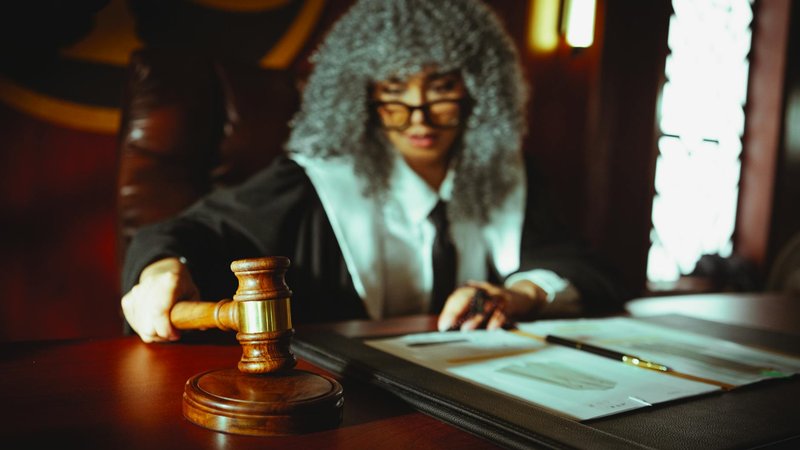
US District Judge Araceli Martinez-Olguin declined Thursday to give final approval to Anthropic's $1.5 billion copyright settlement — the largest in US history — and instead asked the authors' legal team to address objectors' concerns before she rules. The math at the center of the dispute is sharp: roughly $320 million in legal fees against per-author payouts of about $3,000, against a covered class of more than 480,000 works for which 92% of claims have now been filed. Objector Pierce Story estimated the fee structure works out to $10,000-$12,000 per hour for the authors' attorneys; he urged the court to lower the fee award to roughly $70 million, which would still cover top hourly rates while increasing each author's payout by about 25%. Authors must respond to objections by May 21, and Anthropic has been ordered to brief why late opt-outs should not be honored on the same date.
The procedural backstory adds friction. Judge William Alsup, who initially approved the settlement before retiring, had separately questioned whether the lawyers' fees were too high and recommended an independent investigation to ensure no improper fees would be granted. According to Lea Bishop, a non-class-member objector and copyright-law professor, that recommendation "was not squarely disclosed" to incoming Judge Martinez-Olguin in the status report authors' counsel filed; class members were also not notified of the investigation. Several objectors describe a settlement process where the legal team has tried to mark their filings as invalid, mash together their names in court records, or otherwise narrow the objector field. Whether that frames as administrative friction or active gatekeeping is one of the things Martinez-Olguin is now being asked to examine.
The substantive issue under the fees fight is bigger than the fees. Multiple objectors argue the settlement contains no prospective relief or framework addressing the ongoing commercial use of models trained on the class works. James R. Sills wrote that Anthropic "will not delete any scanned physical copies of works/books," and since no author has visibility into how their individual works were acquired or processed, "all forms of all of the works must be destroyed and not utilized by Anthropic" before the settlement should proceed. Robert C. Jacobson raised the same concern: lack of transparency on which works were processed and how, and no commitment from Anthropic on ongoing use. Twenty-five class members have already opted out of the settlement and filed a new lawsuit. The legal question being asked, which the settlement as currently drafted does not answer, is whether $1.5B closes the past without licensing the future.
For builders watching AI training-data law: this case sets the precedent shape for the next round of class actions, of which there are several pending against other frontier labs. The terms that emerge — whether settlement or judgment — will define what "compensation for past unauthorized training" looks like and, more importantly, whether settlements can be structured as one-time payments without ongoing licensing or destruction-of-derivatives requirements. The objector argument is that they cannot: if a model trained on copyrighted works keeps generating revenue, the original authors retain an interest in that revenue, and a one-time payout is undercompensation. Anthropic's position to date has been that training-then-settling closes the loop. Whether Martinez-Olguin agrees, partially or not at all, is what May 21 starts answering — and the answer determines the structure of every comparable settlement that follows.